Everyone’s using AI—what changes first in your day-to-day language?
You can feel it in your inbox and feeds: more posts, more updates, more “quick notes” that sound oddly similar. Phrases get smoother, sentences get shorter, and everything arrives faster—even when the idea isn’t ready.
The first change isn’t a new channel. It’s default language. AI tools nudge teams toward safe, broad wording (“excited to announce,” “game-changer,” “here’s what you need to know”), and they flatten small signals that used to prove a real person wrote it—tiny opinions, specific details, an imperfect but honest rhythm.
The hard part is that speed hides costs. When the copy is slightly wrong, slightly generic, or slightly overconfident, it can take days of replies to undo what one rushed send created.
When “faster” becomes the default: deciding where speed helps vs. harms
That “one rushed send” usually happens when turnaround time becomes the metric. A stakeholder asks for “something by lunch,” the tool produces three options in minutes, and the team ships because nothing looks obviously broken. The problem is that “good enough” reads differently depending on where it lands.
Speed helps most when the message is low-risk and the goal is clarity, not persuasion: meeting reminders, internal recaps, event logistics, routine release notes, simple FAQs. If a sentence is a little plain, the audience still gets what they need. Speed also helps when you’re iterating—drafting subject lines, outlining a post, or turning a long doc into a short brief.
Speed harms when precision and trust do the work: pricing, policy changes, legal/HR language, crisis responses, and support replies tied to an account. In those moments, the time you “save” often reappears as escalations, corrections, and screenshot-driven damage control—so you need a deliberate slowdown trigger.
Your audience can hear the template: spotting “AI tone” before it spreads
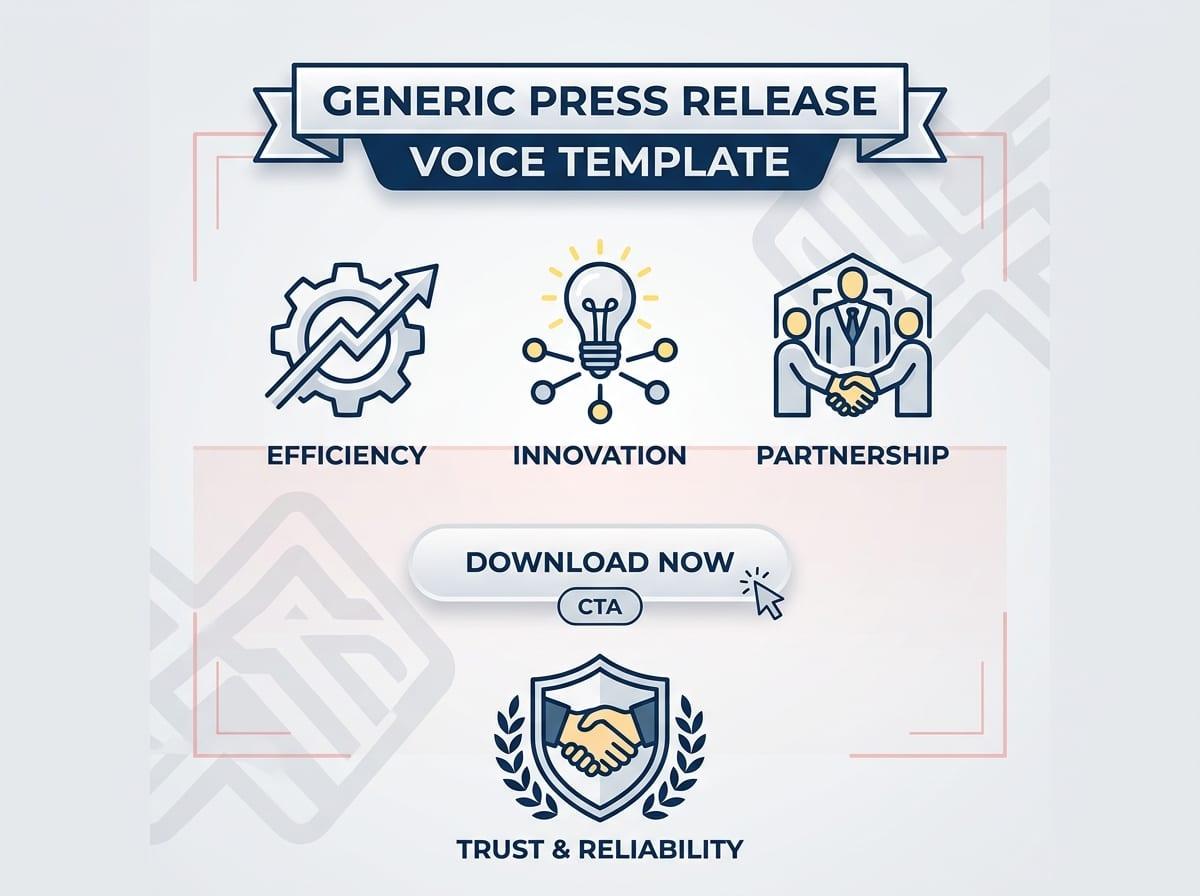
That slowdown trigger matters because people notice patterns fast, especially when every brand starts sounding like the same polite press release. “AI tone” usually shows up as confident generalities without evidence: lots of “we’re thrilled,” few concrete details. It also leans on tidy structure—three benefits, a soft CTA, a reassuring close—so even accurate messages can feel pre-written.
You can spot it in your own drafts with a quick test: underline every claim and ask, “What would a customer point to as proof?” If the answer is “nothing,” add one real detail (a number, a constraint, a specific example) or cut the claim. Then scan for phrases your team never used before the tool. If they cluster, your voice is drifting.
The real-world difficulty is scale. One generic email is forgettable; a month of them resets expectations. Once that happens, your most important messages start at a trust deficit.
High-stakes moments (support issues, crises, HR): when humans must stay in the loop
That trust deficit shows up fastest when someone is already tense: a failed login, a late shipment, a security rumor, a policy change that affects pay or performance. In those moments, people don’t just read for information. They read for accountability—does this sound like a real person can be reached, or like a system is trying to close the ticket?
AI can still help, but the role has to flip. Use it to draft a clear structure, pull known facts, and propose options (“refund,” “replacement,” “next steps”), then require a human to verify the details and choose the posture. If a support reply mentions an account, a date, a fee, or a promise, someone should confirm it against the source of truth before it goes out. If you can’t confirm quickly, the safer move is a short human note that buys time, not a long “helpful” message that guesses.
The cost is staffing and latency. Humans-in-the-loop means queues get longer during spikes. Plan for that now, because the next section is about setting guardrails people will follow when things get busy.
Personalization without creepiness: how expectations are shifting
When things get busy, “just personalize it” becomes the shortcut people reach for. Add the first name, swap in an industry, reference a recent action, and it feels more human—until it feels like you’ve been watching too closely. The line has moved: audiences now expect relevance, but they also expect restraint.
Personalization that lands usually ties to what the person already believes you know. “You attended our webinar on March 3” or “Here’s the invoice you requested” feels normal because it matches a clear interaction. Personalization that creeps people out often comes from inference or surprise, like guessing their budget, hinting at internal org changes, or naming a feature they only browsed once. If someone’s first thought is “How do they know that?”, they stop reading and start scanning for the unsubscribe link.
The practical constraint is data quality. Wrong details look worse than no details. That’s why guardrails need to be set by channel, where the risk is predictable.
Guardrails that people will actually follow—by channel, not in a binder
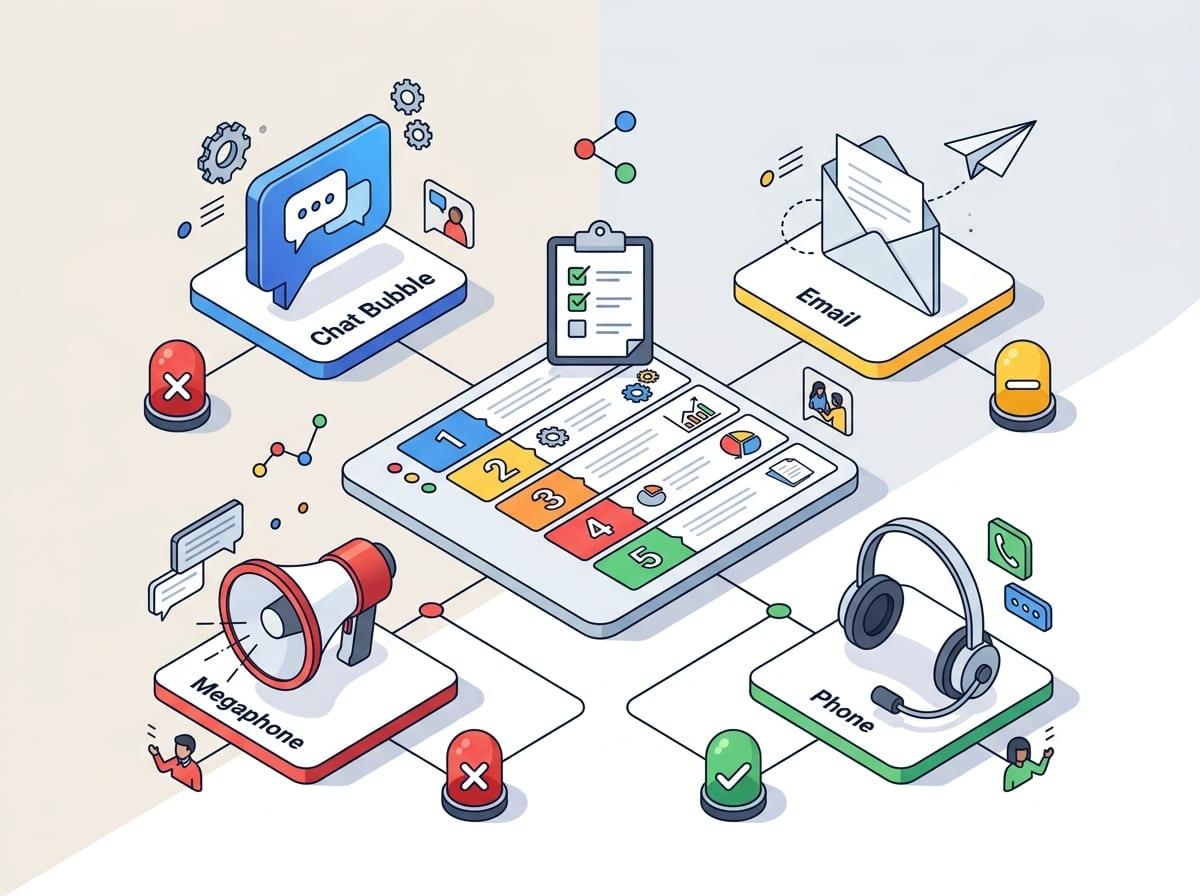
By channel is where guardrails become real, because people make decisions in the moment: “Can I send this Slack update as-is?” “Can I let the tool reply to this support ticket?” A single policy doc won’t help under deadline. A short checklist attached to each channel will.
Start with a “green/yellow/red” map. Green: low-risk internal comms, routine social posts, event logistics—AI can draft, a human skims for obvious errors. Yellow: newsletters, product announcements, sales sequences—require one concrete proof point (a number, date, or constraint) and a quick voice pass to remove template phrasing. Red: support tied to an account, HR, pricing, legal, crisis—AI can outline, but a named human must verify facts and own the send.
The downside is friction. If the rules add steps, people will route around them. Keep them lightweight, visible where work happens, and easy to follow when volume spikes—then the next step is a steady rhythm that makes this stick.
A simple operating rhythm to keep communication human and credible
When volume spikes, the plan that holds is the one that fits into how work already moves. Keep a simple weekly rhythm: one short “voice sweep” where you collect 5–10 recent sends across channels, highlight any repeating template phrases, and add two approved examples people can copy. Then run a “proof check” habit before anything yellow or red goes out: every claim gets a source (link, doc, ticket, metric) or it gets softened or cut.
On busy days, use a 60-second final pass: replace one vague line with a specific detail, remove one hype phrase, and add one human constraint (“We can’t do X yet; here’s what we can do now”). The limitation is time: someone must own this cadence, or it disappears when deadlines hit.